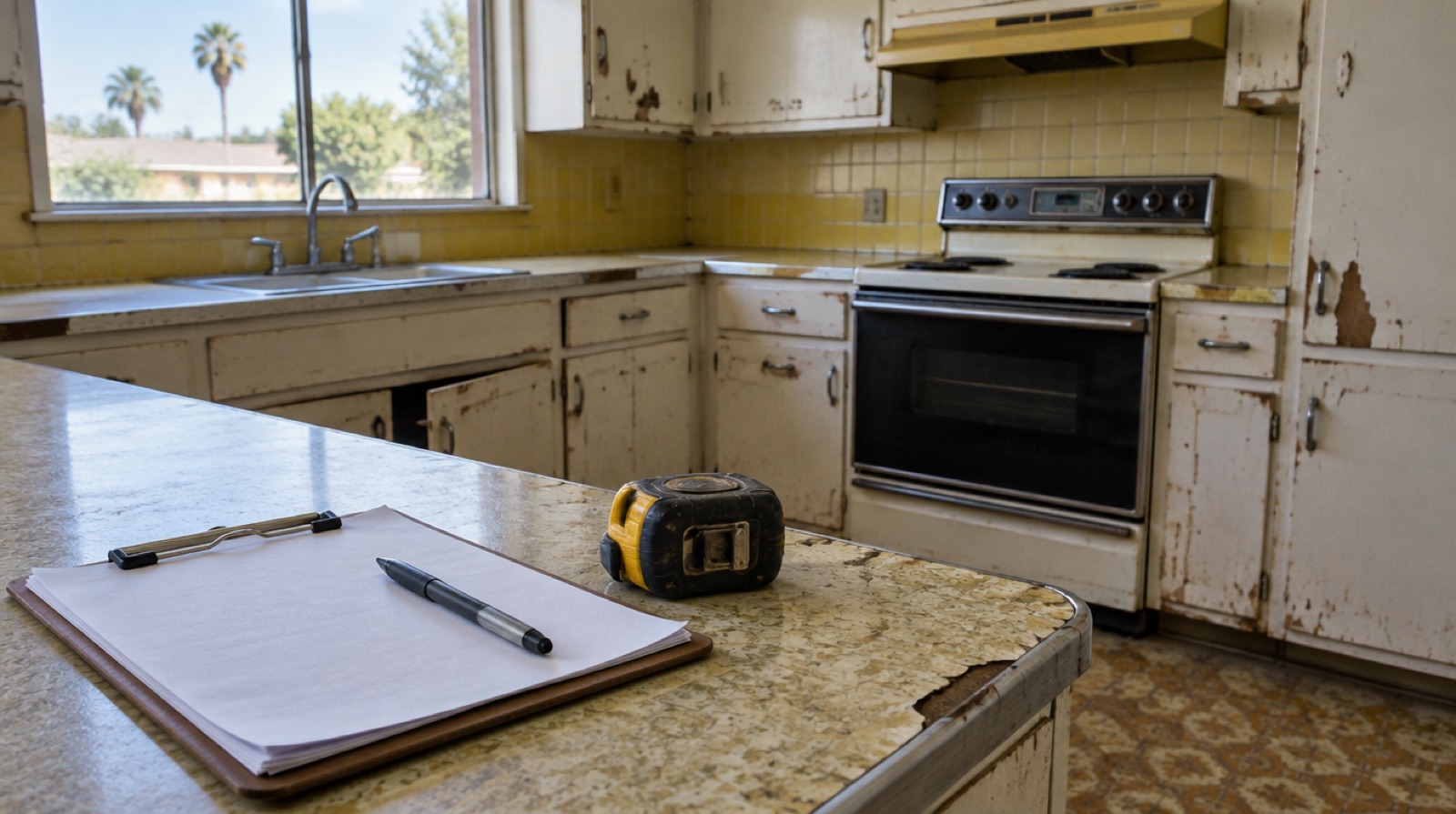
How NexOffer helps with a damaged home
Smoke stains, soaked drywall, warped floors and mold are hard to look at, and even harder to fix while you are living somewhere else. NexOffer is a licensed local home buyer based in Pomona. We make offers on houses in the condition they are in right now. You don't need to tear out drywall, run fans or hire a crew before we look.
You get a cash offer within 24 hours of sharing the details. If you accept, you can close in as little as 7 days, or on a later date that fits your plans. There are no commissions and no fees to us. In some deals we may assign the contract to another buyer instead of buying it ourselves, and we tell you up front if that is the plan.
We see this most with older homes in Pomona and San Bernardino after a pipe or roof leak, and with fire or smoke damage in neighborhoods around Riverside and Pasadena.
Working with your insurance claim before you sell
Your insurance claim and your sale are two separate things, so keep both moving. The California Department of Insurance tells homeowners to make temporary repairs that stop more damage, like covering a hole in the roof with plastic or plywood. Your policy may not cover new damage if you skip that step. Save every receipt.
If you can't live in the home, keep receipts for hotel, food and moving costs too. These may be covered as additional living expenses under the loss-of-use part of your policy. Take photos of everything, and don't throw out damaged items until the adjuster says you can.
If you have a mortgage, the insurance check for the house will usually be made out to you and your lender. The lender often holds the money and releases it as repairs get done. Before you sign a sale contract, ask your insurer and your lender how a sale changes what happens to that money. Then tell any buyer, including us, where your claim stands.
What you have to disclose about past damage
Selling as-is does not mean selling without disclosure. Most California sales of homes with one to four units require the seller to give the buyer a Real Estate Transfer Disclosure Statement under Civil Code section 1102 and the sections after it. It covers what you personally know about the home, including defects in the structure and plumbing, repairs made without permits, and flood or drainage problems.
So if you know about a past fire, a flood, a burst pipe or a repair, put it in writing. Clear, honest disclosure protects you after the sale.
Mold is a common question. The California Department of Public Health says science-based exposure limits for indoor mold cannot be set right now, and none exist in California. The state's mold disclosure statutes depend on those limits, so they have not taken effect. That doesn't let you hide mold you know about. If a leak caused mold, treat it like any other known defect and disclose it.
Why many buyers' lenders won't finance a damaged home
A regular buyer usually needs a loan, and the lender's appraiser has to approve the house. FHA rules, for example, require insured homes to be safe, sound and secure. When an appraisal shows defects, the lender can only approve the home after those defects are fixed. If fixing them is not feasible, the lender must reject it.
That is why a home with fire damage or an active leak can fall out of escrow. Some buyers use an FHA 203(k) loan that rolls repair costs into the mortgage. That option exists, but it adds time, bids and paperwork. A cash buyer skips the lender's repair rules entirely.
Repair and list, or sell as-is?
Here is the honest trade-off. If insurance will pay for most of the repairs and you can wait months for contractors and permits, fixing the home and listing it with an agent will often bring the highest price. A cash offer on a damaged home will be lower than what the home would sell for after repairs. That gap pays for the repairs, the risk and the time the buyer takes on.
Selling as-is tends to make sense when the repair bill is bigger than your claim, when you are paying a mortgage on a house you can't live in, or when you are simply done. Ask yourself:
- Do I have a written repair estimate, and does my claim cover it?
- Can I afford a mortgage, rent and repairs at the same time?
- Do I know where my insurance claim and any lender-held funds stand?
- Have I written down every past fire, leak, repair and mold problem I know about?
- Have I compared a cash offer to the after-repair value minus repair costs and agent fees?
If the numbers point toward repairing and listing, we will say so. If selling as-is is the better fit, call (833) 690-1353 or request your offer online, and we will walk the house with you as it is.
This is not legal or tax advice
Insurance claims, disclosure rules and sale terms depend on your policy and your situation. Before you sign anything, talk with a real estate attorney, and check with your insurance company or a licensed public adjuster about your claim.