Pomona Has Its Own Transfer Tax
Most cities in Los Angeles County only charge the county documentary transfer tax of $1.10 per $1,000 of the sale price. Pomona is one of five cities in the county with its own special rate. The city adds $2.20 per $1,000, and the county still charges its full $1.10. That means $3.30 per $1,000 in total. On a $600,000 sale, that is about $1,980. The tax is collected by the Los Angeles County Registrar-Recorder when the deed is recorded. Who pays it is something buyer and seller agree on, so ask about it before you sign anything. We spell it out in writing in every offer.
Selling a Pomona Rental With Tenants
Pomona has its own Rent Stabilization and Eviction Control Ordinance, No. 4359, which took effect January 1, 2026. It limits rent increases to 5 percent a year, with one increase in 12 months. Landlords need an at-fault or no-fault reason to end a tenancy, and no-fault endings require relocation money. Many homes are exempt, including single-family houses, condos and townhomes that can be sold on their own, and units with a certificate of occupancy issued after February 1, 1995. Exempt units may still fall under the state Tenant Protection Act, AB 1482. Owners must file a notice of exemption with the city to claim one.
Selling a home does not end a lease. You can sell with tenants in place, and the new owner takes over the lease. Check the city's current rules, since this ordinance has changed more than once since 2022.
Older and Historic Homes in Pomona
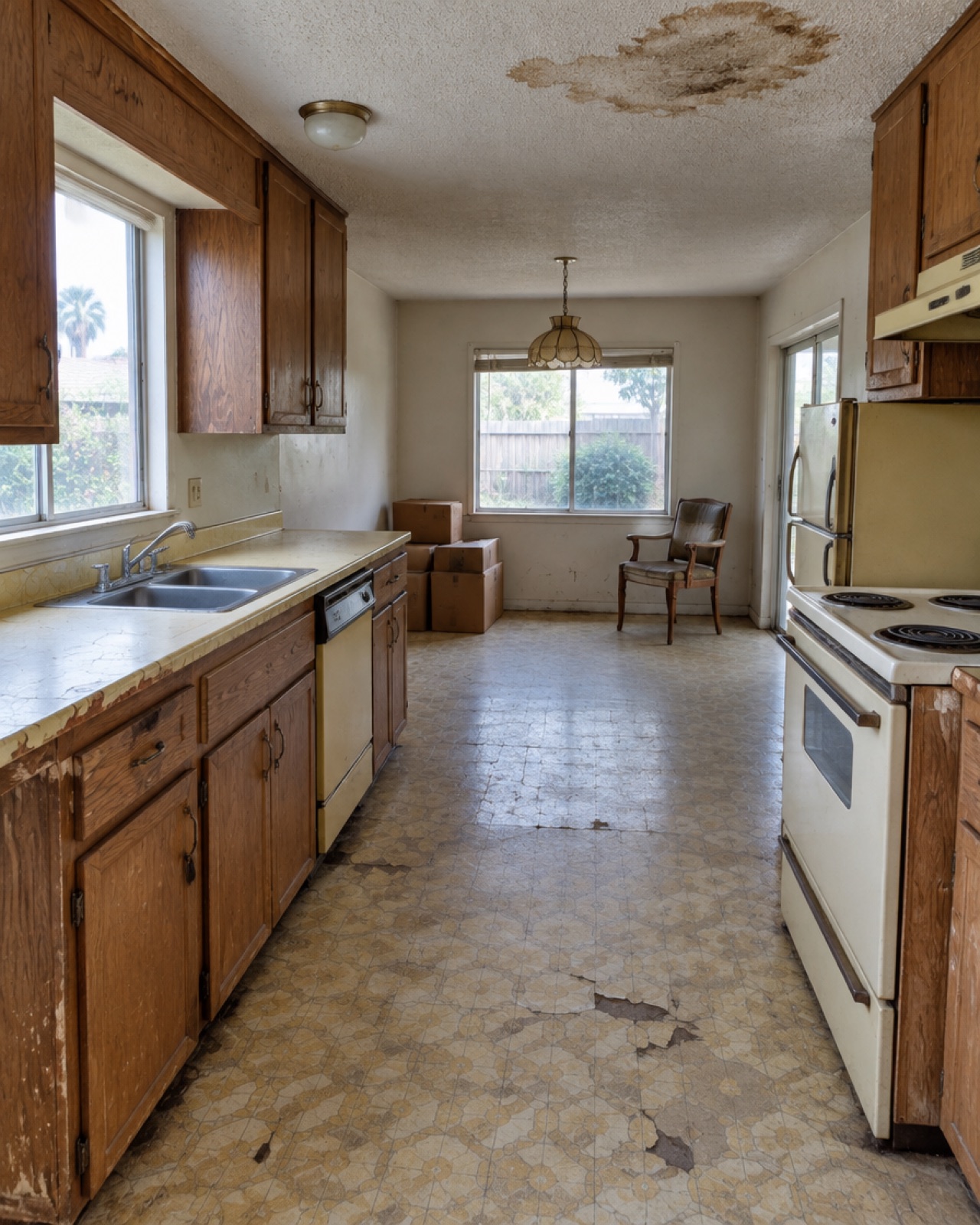
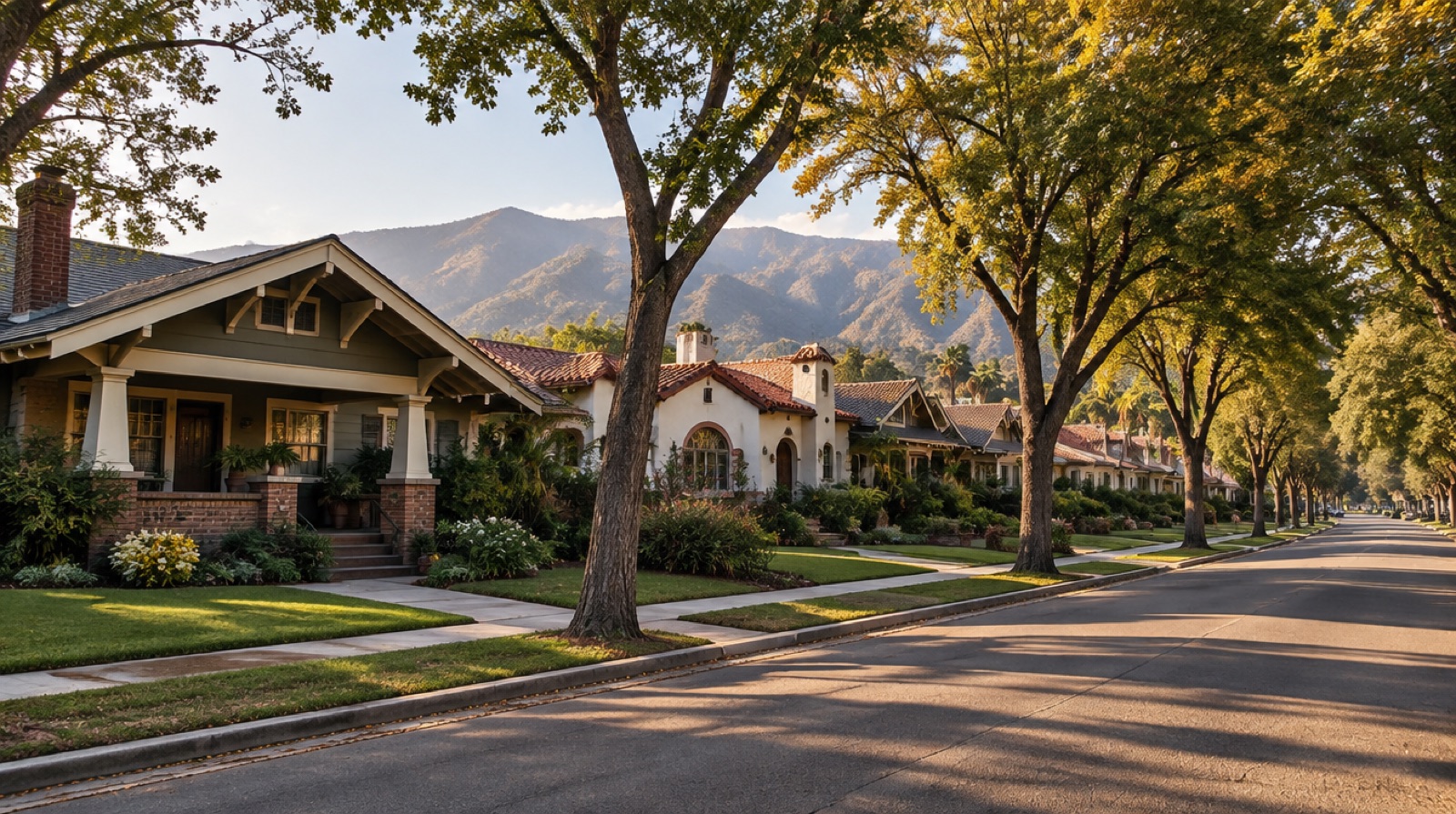
Pomona has five local historic districts: Lincoln Park, Wilton Heights, Hacienda Park, the Landmark Quarter and the Civic Center. In these districts, exterior changes like new windows need a Certificate of Appropriateness from the city. Window swaps even need a separate form for each window. That review takes time, and some buyers walk away from it. Older houses across the city can also have original plumbing, aging sewer lines, and rooms or garages that were enclosed without permits. Hillside lots in Phillips Ranch and Ganesha Hills are worth checking on the CAL FIRE fire hazard map, since that affects insurance and disclosures.
- Pull your permit history from the Pomona Building and Safety office
- Ask whether your home is in a historic district or on the city's historic list
- List any rooms, garages or ADUs added without permits
- Gather your lease, rent history and any exemption notice filed with the city
- Look up your address on the CAL FIRE fire hazard severity map
- Find your recorded deed and loan payoff numbers
Inherited a House in Pomona?
Pomona has its own courthouse, but probate for Los Angeles County is heard at the Stanley Mosk Courthouse in downtown Los Angeles, with a second site in Lancaster. Most Pomona estates are filed downtown. Deeds and death records go through the county Registrar-Recorder in Norwalk. If you are the executor or administrator, we can wait for court approval when needed and work around the court calendar. Families in nearby Claremont, La Verne and Diamond Bar deal with the same courthouse.
Not legal or tax advice
This page is general information about selling a home in Pomona. It is not legal or tax advice. Rules change, so talk to a real estate attorney or tax professional about your own situation before you sell.