1960s and 1970s Homes in San Dimas
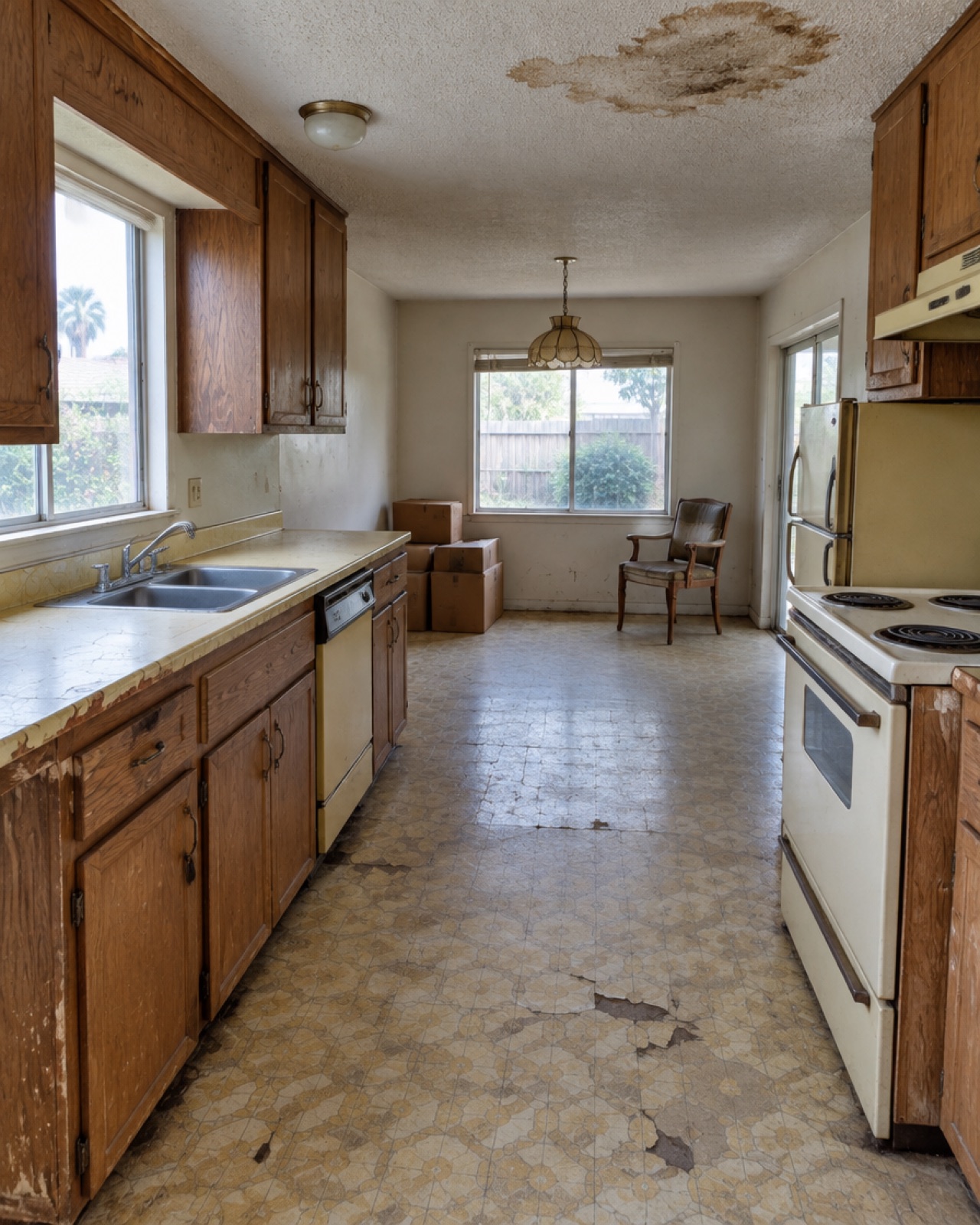
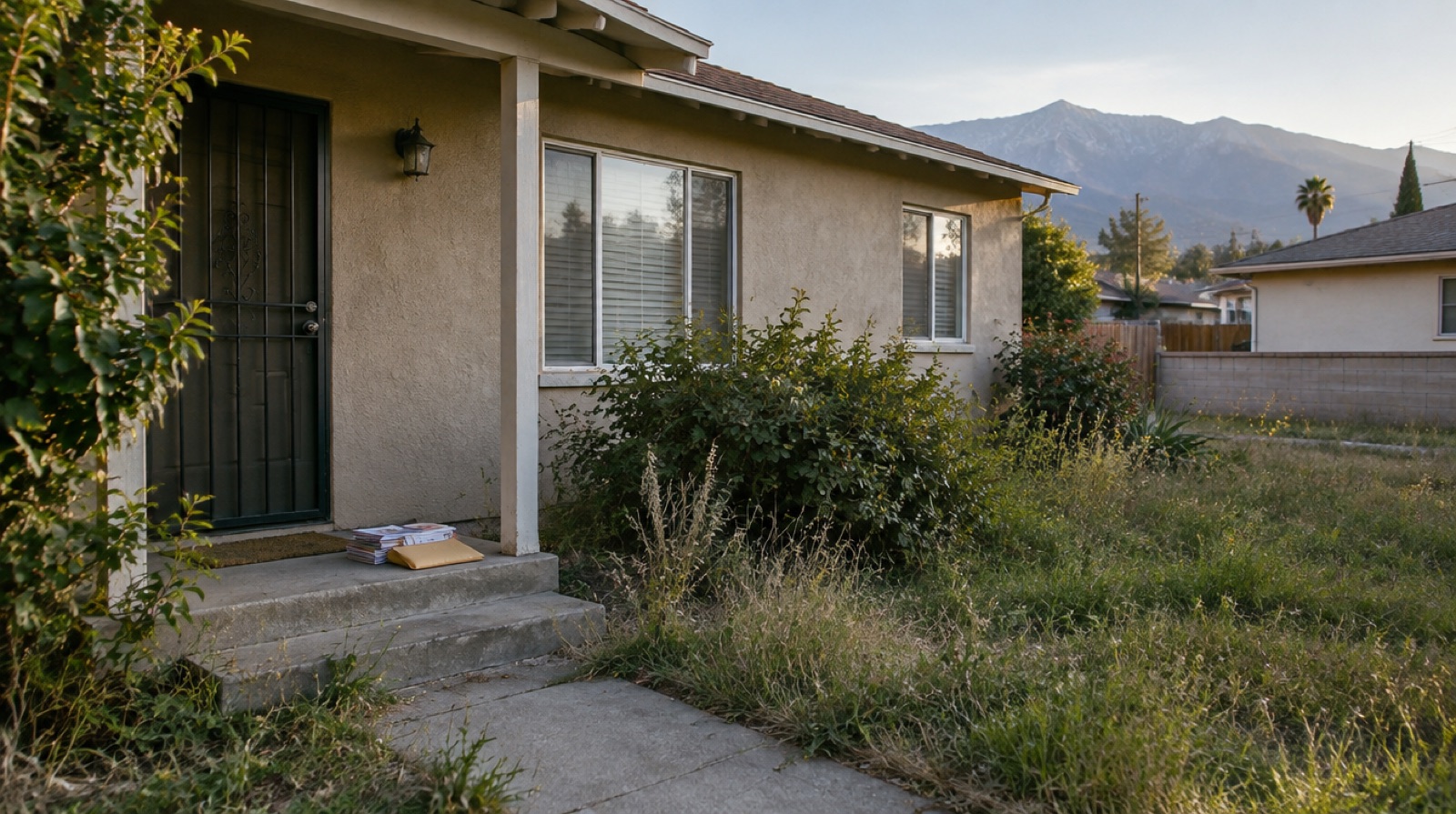
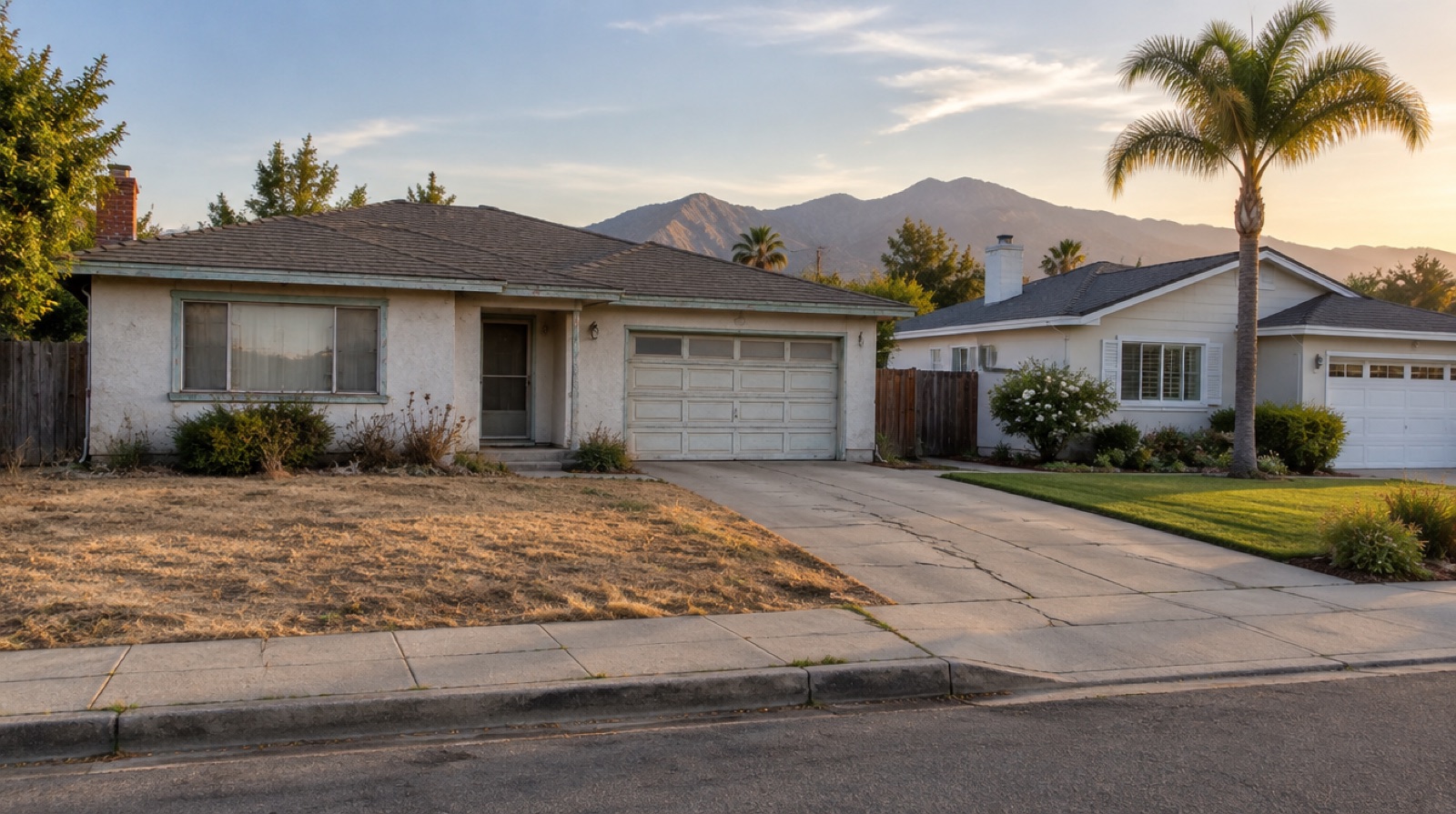
Because so much of San Dimas was built in a 30-year burst, many houses are now 40 to 60 years old and on their first or second set of big repairs. Think original galvanized pipes, older electrical panels, single-pane windows and roofs near the end of their life. Homes built before 1978 may also have lead paint, which the city's housing element flags as a health concern. Many owners added patios, enclosed rooms or garage conversions over the years. A buyer with a loan may want those permitted or fixed. Selling as-is means you can leave all of that for the next owner.
Downtown is the oldest part of town. In 1991 the city surveyed every building built before 1940 and found more than 300 that are locally significant or may qualify for state or national listing, many near the original downtown along Bonita Avenue. San Dimas has no formal historic preservation program, but listed homes can qualify for a Mills Act contract that lowers property taxes. If your home has one, the contract passes to the buyer.
Mobile Homes and Tenants in San Dimas
San Dimas has five mobile home parks with about 909 spaces, mostly on the west side of town. Three are for seniors. Since 1995, a voluntary Mobile Home Accord between the city and park owners has set base rents and limits on rent increases. The city also bought Charter Oaks Mobile Home Estates in 1998 to keep it affordable. If you are selling a mobile home, the park usually has to approve the buyer.
For houses and apartments, San Dimas has no local rent control. Most rentals follow the state Tenant Protection Act, AB 1482, which caps yearly increases and requires just cause to evict after a tenant has stayed a year. A sale does not cancel a lease, so you can sell a rented house with the tenant still living there.
- Pull permit records for any patio, room or garage conversion
- Note the age of the roof, water heater, panel and pipes
- Check your address on the city's 2025 fire hazard severity zone map
- Ask the city if your downtown home is on its historic survey
- For a mobile home, gather the title, space lease and park rules
- Find the trust, will or letters of administration if inherited
Fire Zones Near the San Dimas Foothills
San Dimas sits at the base of the San Gabriel Mountains, and the north end of town backs up to wild land. In 2025 the city received the new CAL FIRE maps, which place parts of San Dimas in Moderate, High and Very High fire hazard zones. State law requires the city to adopt those zones by ordinance, and it can raise a zone but not lower it. Fire service comes from the Los Angeles County Fire Department. A home in a mapped zone needs a disclosure, may face brush clearing rules, and can be harder for buyers to insure.
Probate, Recording and Transfer Tax
San Dimas has no city transfer tax. Sellers pay the standard Los Angeles County documentary transfer tax of $1.10 per $1,000 of the price, recorded through the Los Angeles County Registrar-Recorder. Inherited homes go through the Los Angeles Superior Court, which hears probate at the Stanley Mosk Courthouse in downtown Los Angeles and at the Antelope Valley Courthouse in Lancaster. Families in La Verne and Glendora use the same court.
Not legal or tax advice
This page shares general information about selling a home in San Dimas. It is not legal or tax advice. Talk to a real estate attorney or tax professional about your own situation.