Older homes in west Highland and the historic district
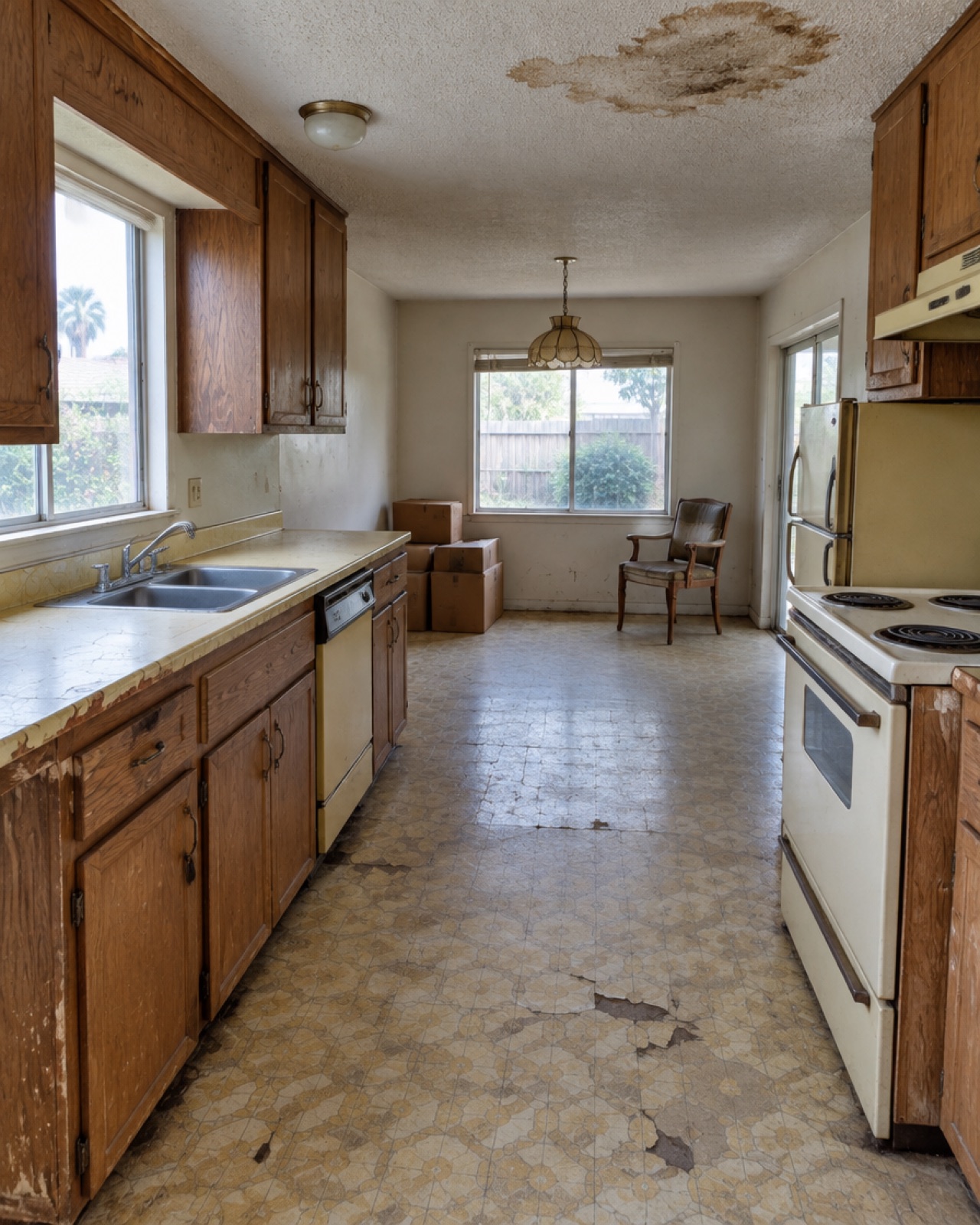
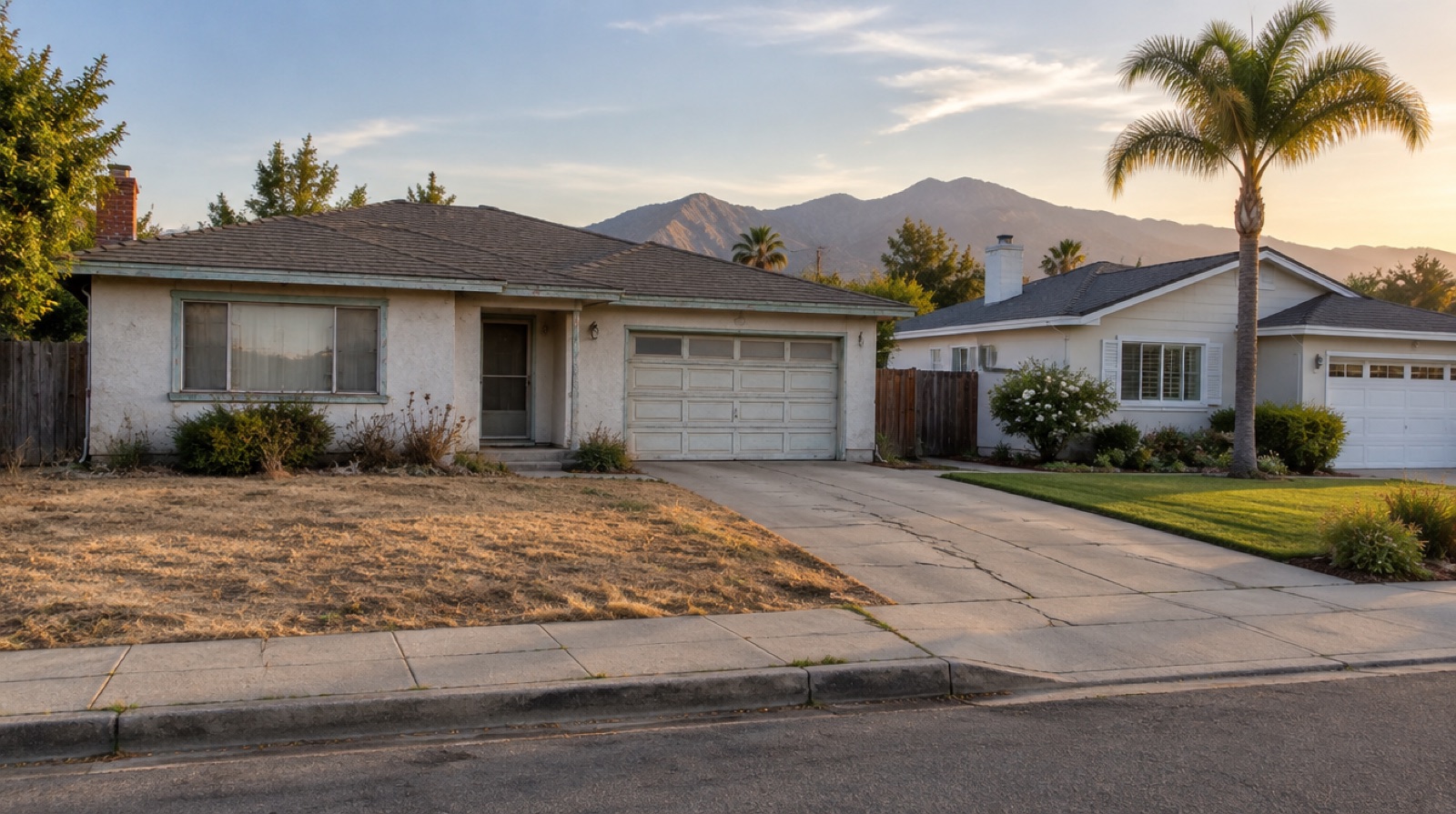
Census figures in the housing element show about 38 percent of Highland's homes were built before 1970, and the city expects most of them sit in west Highland. The same report notes that homes over 50 years old are more likely to need major work, such as a new roof, foundation repair or new plumbing. The city's rehab grants for lower-income owners have listed repairs like roofing, septic systems, pest control and old acoustic ceilings, a good picture of what these houses often need.
The Highland Historic District, listed on the National Register in 2001, covers the old townsite and parts of a 1904 addition. Under the city's preservation code, work on a property inside a historic district needs a Certificate of Appropriateness from the Historic and Cultural Preservation Board before building permits are issued. If you own an older house there and do not want to manage that review for a remodel, selling as-is can be simpler.
Selling a Highland rental: the city's rental program
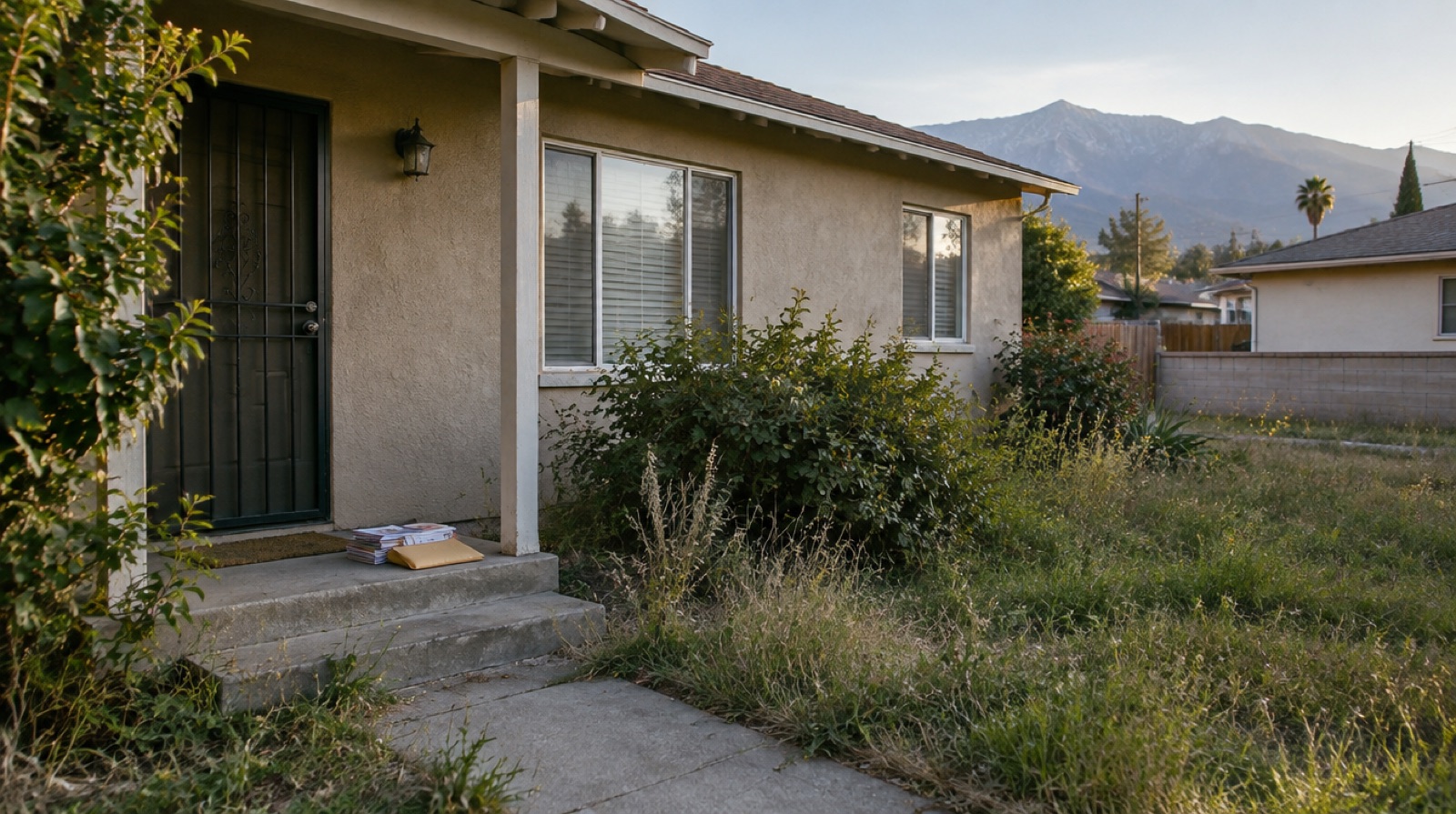
Highland does not have its own rent control, so most rentals follow California's Tenant Protection Act (AB 1482). What Highland does have is the Residential Rental Enhancement Program in Chapter 15.52 of the city code. Owners of non-owner-occupied rentals file an application with a self-certification checklist, the city inspects the outside of the home from the street, and the owner needs a yearly business license certificate for the unit. When a rental changes hands, the new owner must file a new application within 30 days. If your rental has open code items, a buyer who takes the house as-is takes on that work.
Fire, flood and fault zones in Highland
Highland sits at the foot of the San Bernardino Mountains, and the housing element says most of the city is in fire-risk areas. The far northeast is rated very high, and much of central and southern Highland is rated high. Flood risk is greatest south of Greenspot Road and along City Creek, and branches of the San Andreas Fault run through the city. These items show up on the natural hazard disclosure that every seller hands to a buyer, so it helps to know where your home falls before you sell.
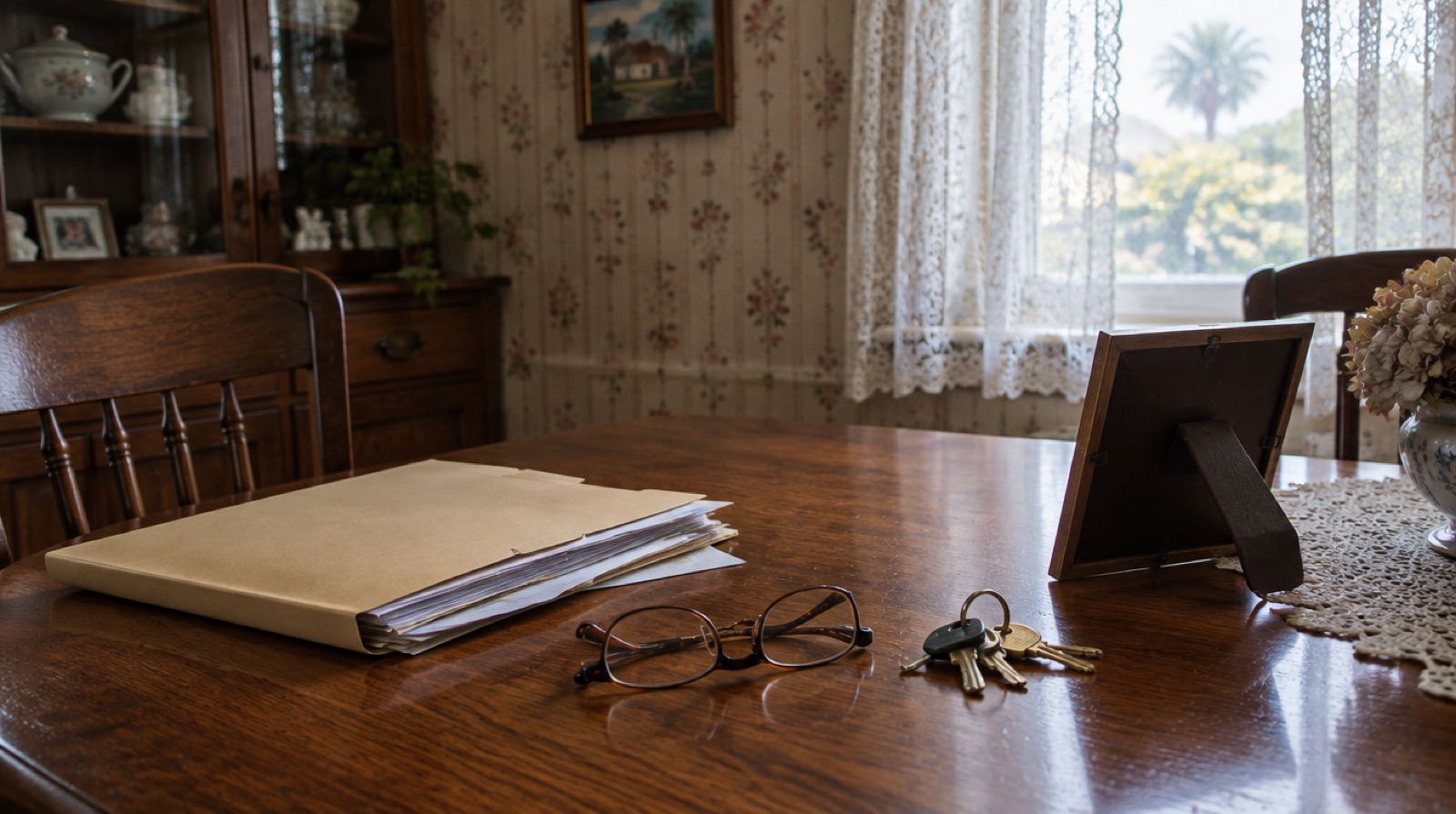
- Probate: under the court's general order, Highland (ZIP 92346) probate cases are filed and heard at the Fontana Courthouse, 17780 Arrow Boulevard.
- Recording: deeds are recorded by the San Bernardino County Assessor-Recorder-County Clerk.
- Transfer tax: the county rate is $1.10 per $1,000 of value. Ask escrow to confirm the total on your closing statement.
- Rentals: check your rental business license and plan to tell the buyer about the 30-day new-owner filing.
- Historic district: gather any Certificates of Appropriateness and permits for past work.
- Hazards: pull your natural hazard disclosure early to see your fire, flood and fault status.
A newer home in good shape may bring more on the open market with an agent, and that can be the right call. A dated west side house, a rental or an inherited home is often easier to sell for cash. Check current comps for your own area, since homes in East Highlands Ranch and older west Highland streets sell very differently. Chris Luna has spent more than 12 years in the Inland Empire. Call (833) 690-1353 to talk it through. Owners in nearby Redlands and San Bernardino face many of the same choices.
Not legal or tax advice
This page is general information for Highland homeowners. It is not legal or tax advice. Please talk to a real estate attorney or tax professional about your own sale, especially if a probate case, a tenant or a historic property is involved.