Chino Hills homes from the 1980s and 1990s building boom
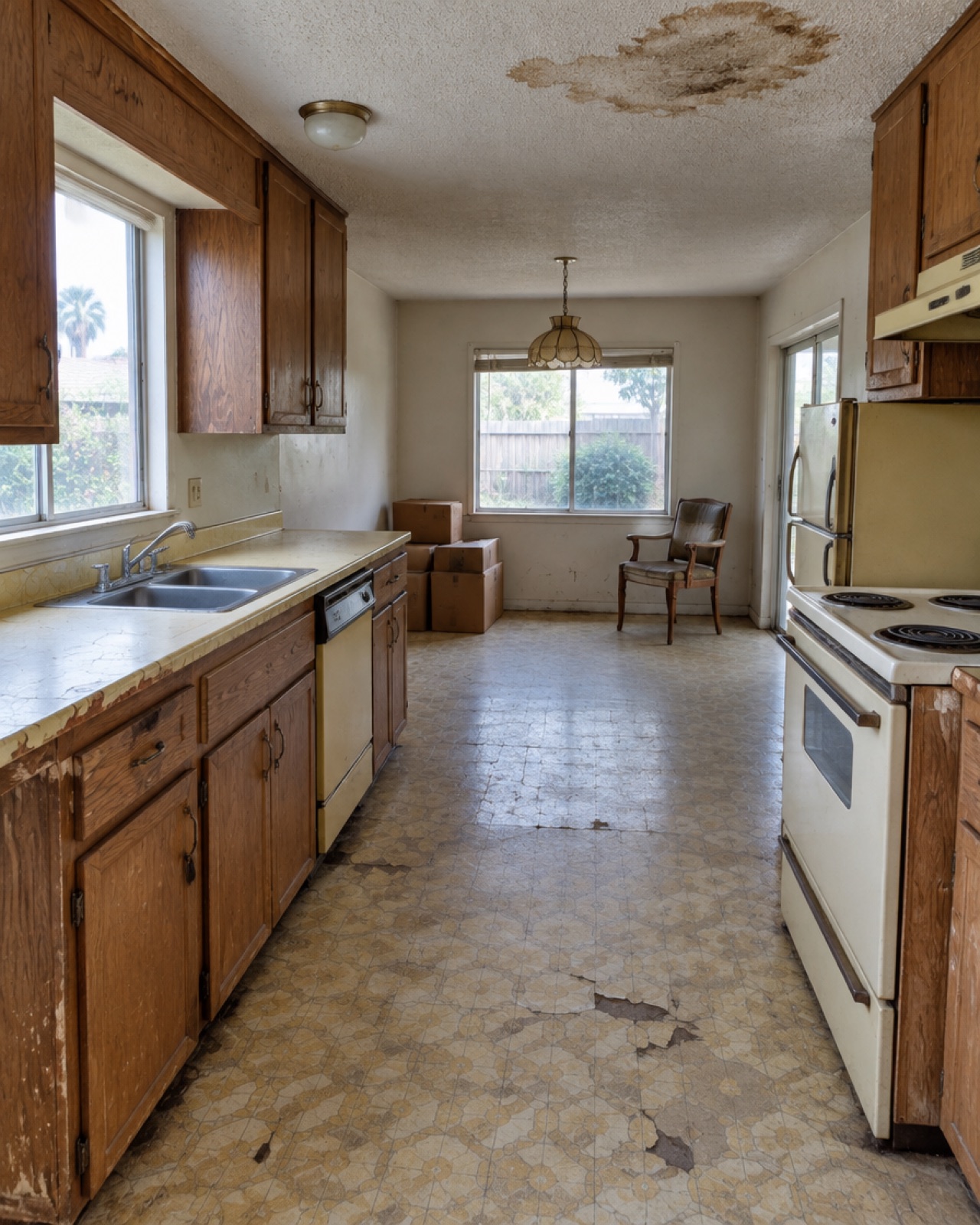
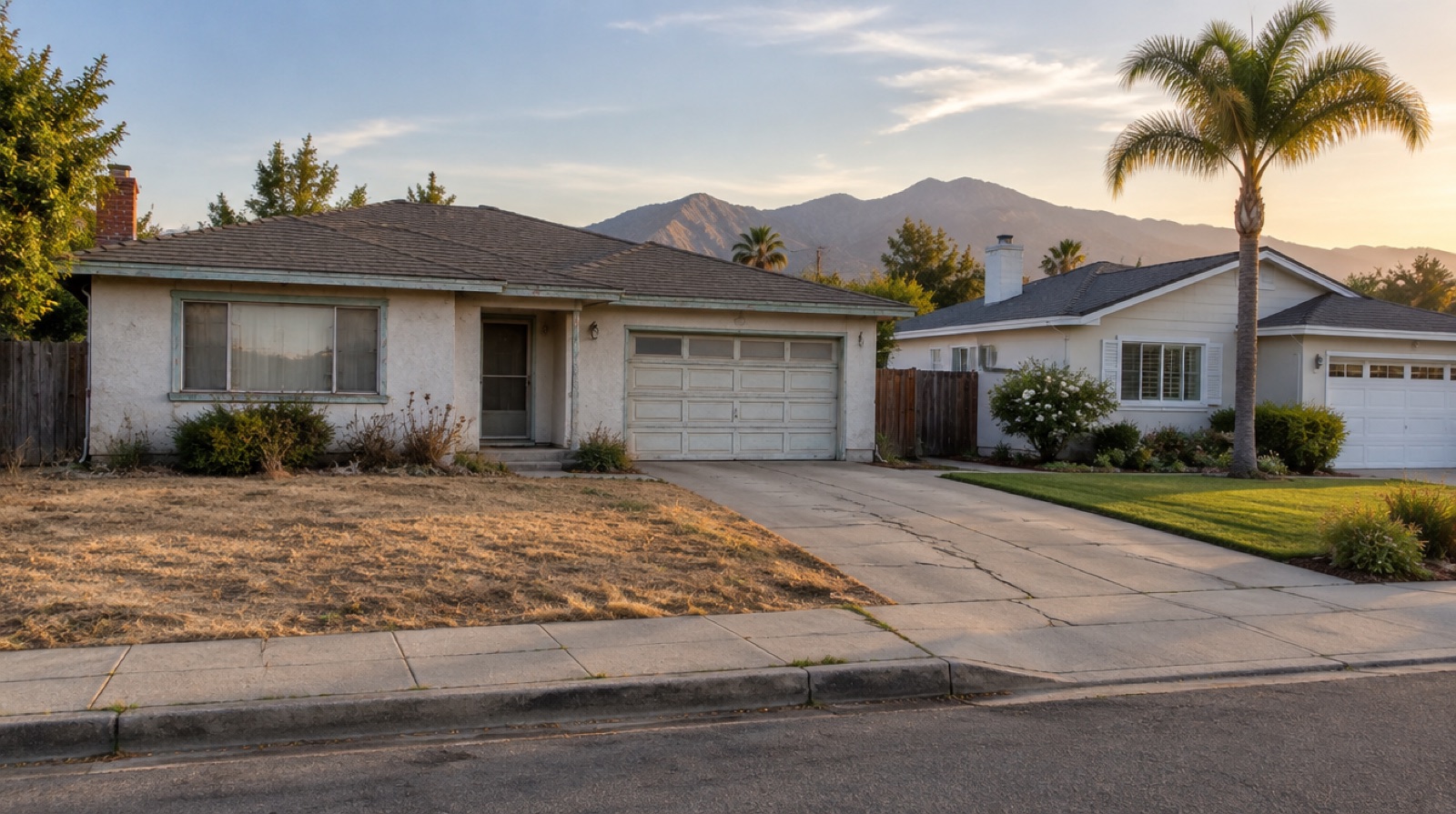
Because so much of Chino Hills went up between 1980 and 2000, a lot of homes are now 30 to 45 years old at the same time. The city's housing plan notes that homes this age often need new roofs, stucco work, plumbing or siding. Many original kitchens, windows and HVAC systems are reaching the end of their life too.
Most of those tracts were approved by San Bernardino County before the city existed, as Planned Development tracts with their own lot and setback rules. The city has been converting those county documents into regular zoning. If you added a patio cover, room or pool, check that the permit was finaled. Many neighborhoods also have HOA dues, and some bills carry Mello-Roos or other special assessments, so pull your tax bill before you price the house.
Canyon homes: septic, fire zones and hillsides
The west side of Chino Hills is a different world. The city says the hilly western area, including Tonner and Carbon Canyons, is mostly served by on-site septic systems instead of city sewer. Buyers and lenders often want a septic inspection, and an old or failing tank can scare off a regular buyer.
Fire risk is the other big one. The housing plan says much of Chino Hills is in a Fire Hazard Overlay, and Chino Valley Fire adopted the newest CAL FIRE hazard zone map for the city effective September 1, 2025. Class A roofing is required in fire hazard zones, and state law adds fire zone disclosures and defensible space paperwork when you sell. The city also describes its folded hillsides as some of the most landslide-prone ground in Southern California, so slope and drainage issues come up on canyon lots.
Transfer tax, tenants and probate in Chino Hills
Chino Hills is a general-law city with no extra city transfer tax. The total is $1.10 per $1,000 of the sale price, split between the city and San Bernardino County. That is far less than neighboring Pomona across the county line. There is no local rent control, so rentals follow the statewide Tenant Protection Act (AB 1482). You can sell with a tenant in place.
If you inherited a Chino Hills home, probate goes through San Bernardino County Superior Court. Probate hearings for this part of the county are held at the Fontana Courthouse, 17780 Arrow Boulevard, where the probate clerk's office is also located. Deeds are recorded at the County Hall of Records, 222 W. Hospitality Lane in San Bernardino.
- Pull your tax bill to see HOA, Mello-Roos or other assessments
- Check the fire hazard map for your address on the Chino Valley Fire site
- Find out if the home is on septic or city sewer, and when the tank was pumped
- Gather permits for pools, patio covers and room additions
- Note any slope, drainage or retaining wall problems you know about
- For an inherited home, get your probate case number and letters
Not legal or tax advice
This page is general information about selling a home in Chino Hills. It is not legal or tax advice. Please talk to a real estate attorney or tax professional about your own sale.