Selling a Glendale rental under the Rental Rights Program
About two out of three Glendale households rent, so many sellers here are landlords. Glendale's Rental Rights Program, Ordinance 5922, started on March 14, 2019 and was updated on March 7, 2024. It covers just cause eviction, relocation assistance, the right to a lease, intentional disrepair and rent reductions.
The just cause rules list 12 lawful reasons to end a tenancy. Selling the building is not one of them, so the buyer takes over the tenants. For no fault evictions, such as an owner move in or taking a unit off the market, the landlord pays relocation equal to three times the higher of the current rent or the HUD Fair Market Rent, plus $2,000. The amount doubles for qualified tenants, such as low income seniors 70 and older. A rent increase over 7 percent in 12 months can also trigger relocation money if the tenant moves out.
Single family homes, condos, townhouses and parcels with two or fewer units are exempt from these Glendale rules, though state law under AB 1482 may still apply. For a fourplex or apartment building, selling with tenants in place often costs far less than paying relocation to empty it first.
Hillside fire zones and historic districts in Glendale
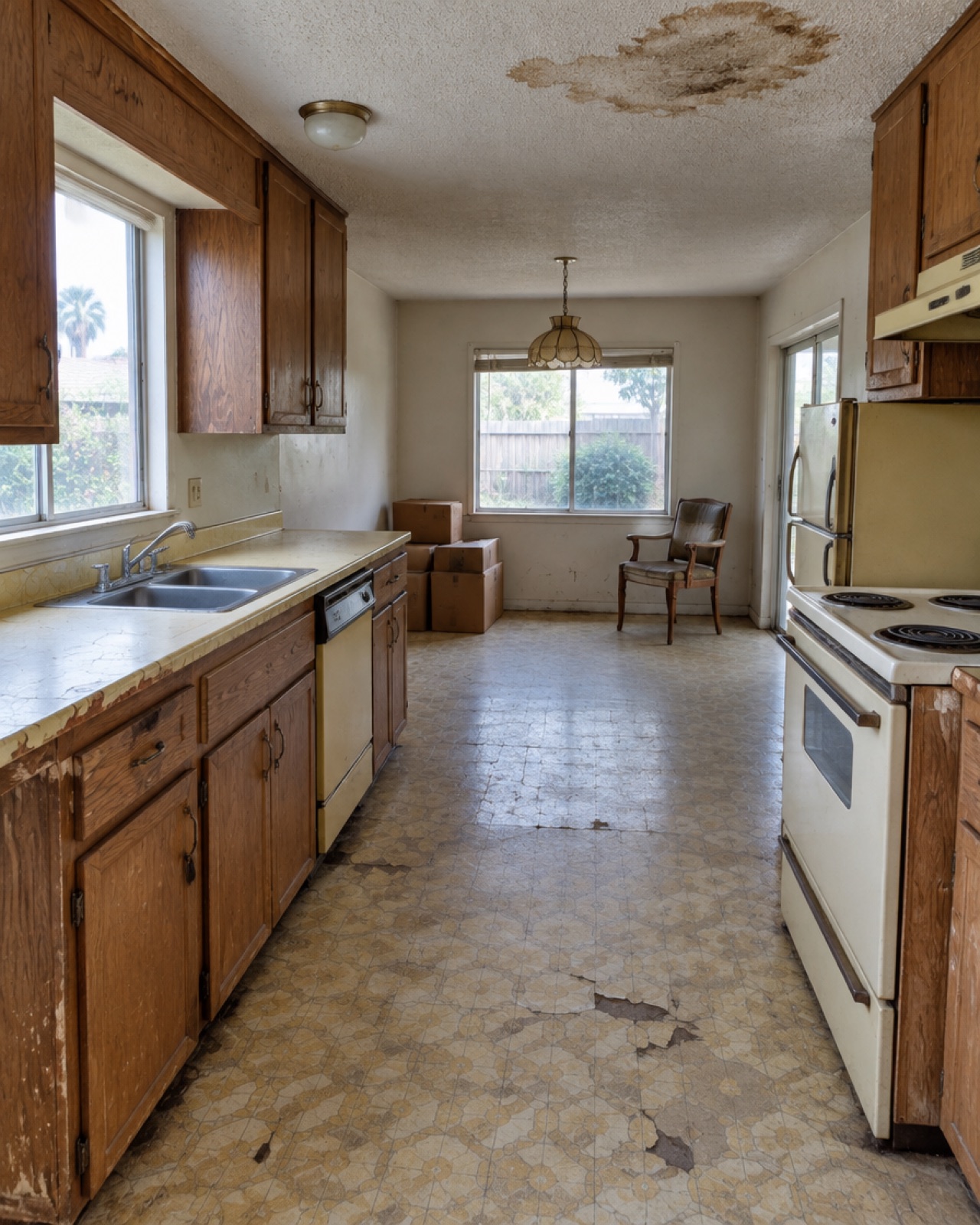
Glendale's housing element says more than half of the city lies in a state Very High Fire Hazard Severity Zone. These areas are in the Verdugo Mountains and San Rafael Hills, generally north of Kenneth Road and Glenoaks Boulevard and south of the 210 Freeway, plus the San Gabriel Mountains at the city's northern tip. Sellers must disclose the zone, and brush clearance and fire safe building rules apply. In a historic district overlay zone, exterior projects go through city design review, and new districts such as Verdugo Woodlands and Cleveland Knoll have been proposed. Older homes may also need roof, plumbing, electrical or foundation work, which the city itself notes for homes built before 1970.
- Count the units on your parcel to see if the Rental Rights Program applies
- Gather leases, rent history and any past rent increase notices
- Check the state fire hazard map and any brush clearance notices
- Ask the city if your home is in a historic district or a proposed one
- List any room additions or garage conversions without permits
- For an estate, get the letters from the court naming the executor
Transfer tax and probate for a Glendale home
Glendale does not charge its own documentary transfer tax. The county lists only five cities with a city tax, and Glendale is not one of them, so you pay the Los Angeles County rate of $1.10 per $1,000. That is a real difference from the City of Los Angeles next door, where Measure ULA can add a large tax on higher priced sales. Probate for a Glendale home is heard by the Los Angeles Superior Court Probate Division at the Stanley Mosk Courthouse downtown, not at the Glendale courthouse. Deeds are recorded with the Los Angeles County Registrar Recorder County Clerk. Sellers in Burbank and Pasadena use the same county system.
Not legal or tax advice
This page is general information about selling a home in Glendale. It is not legal or tax advice. Tenant rules and relocation amounts change each year, so talk to a real estate attorney or tax professional, or call the city's Rental Rights Program at 818-548-3926.