What Glendora's 1950s and 1960s Homes Tend to Need
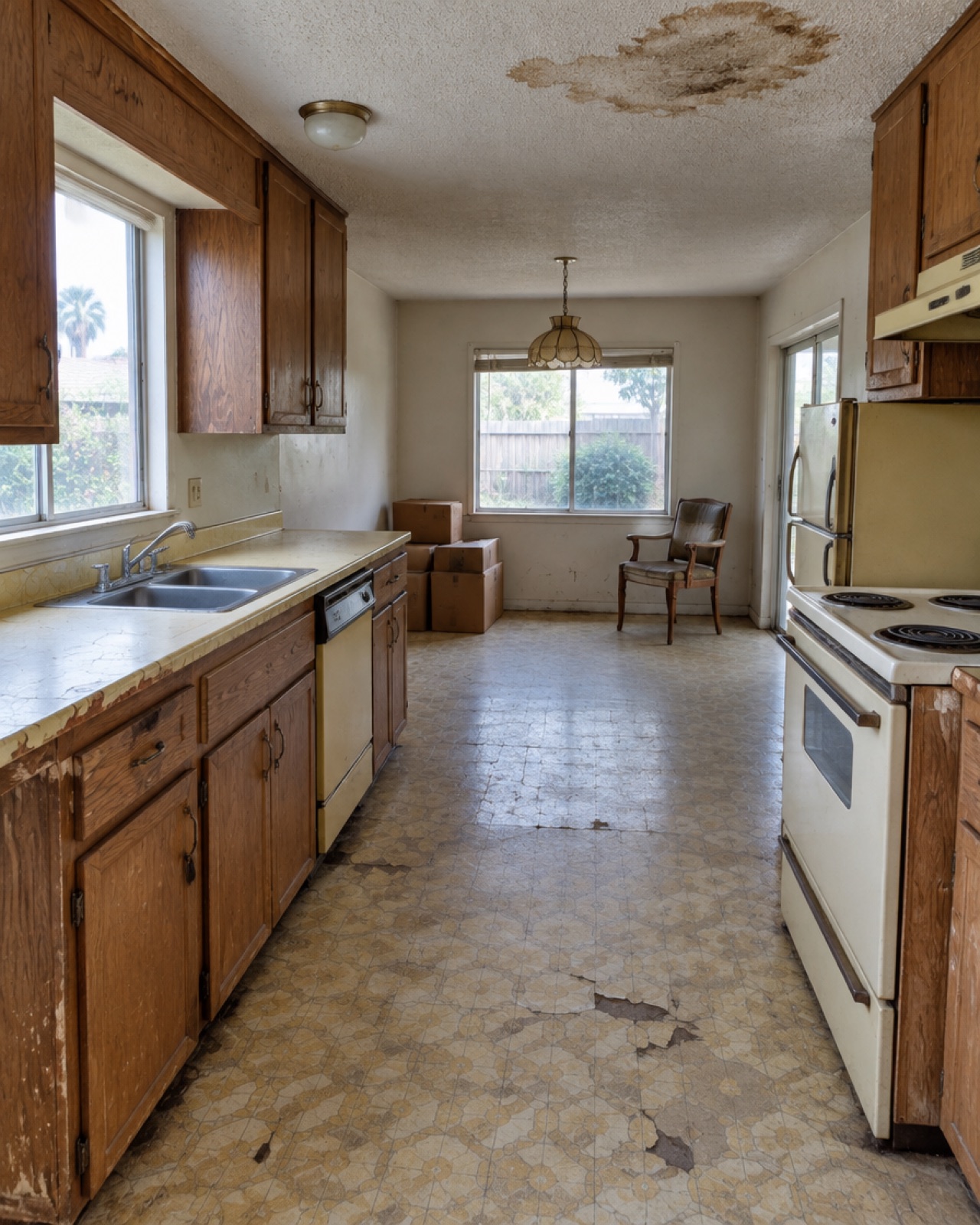
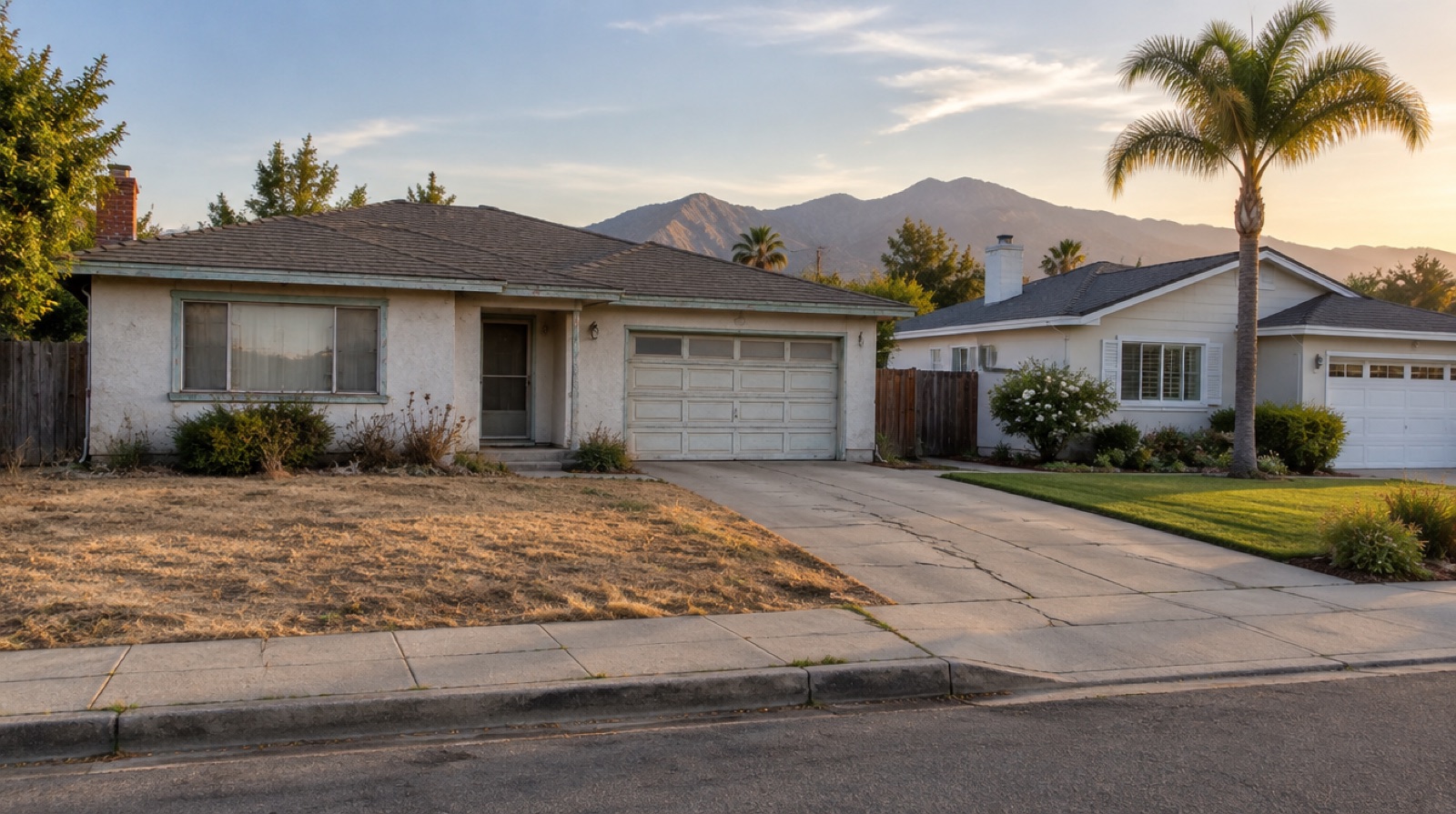
A house built in 1955 has lived through a lot. Many mid-century Glendora ranch homes still have galvanized pipes, original wall heaters, old panels and clay or cast iron sewer lines. The housing element notes that more than a third of local homes were built before 1960, before insulation was common, so attics and walls are often thin. Some owners added family rooms, patio covers or garage rooms over the years without a permit. A buyer with a bank loan may ask you to fix these items or take money off the price. Selling as-is means you can skip that back and forth.
If your home is in the historic district near the Village, any exterior change goes to the Planning Commission for a Certificate of Appropriateness. Designated landmarks carry a promise to keep the outside intact, and some owners have Mills Act contracts that lower property tax. Ask the Planning Division whether your parcel is covered and whether a Mills Act contract runs with the house, since a buyer takes it over.
Glendora Fire Hazard Zones and What They Mean for a Sale
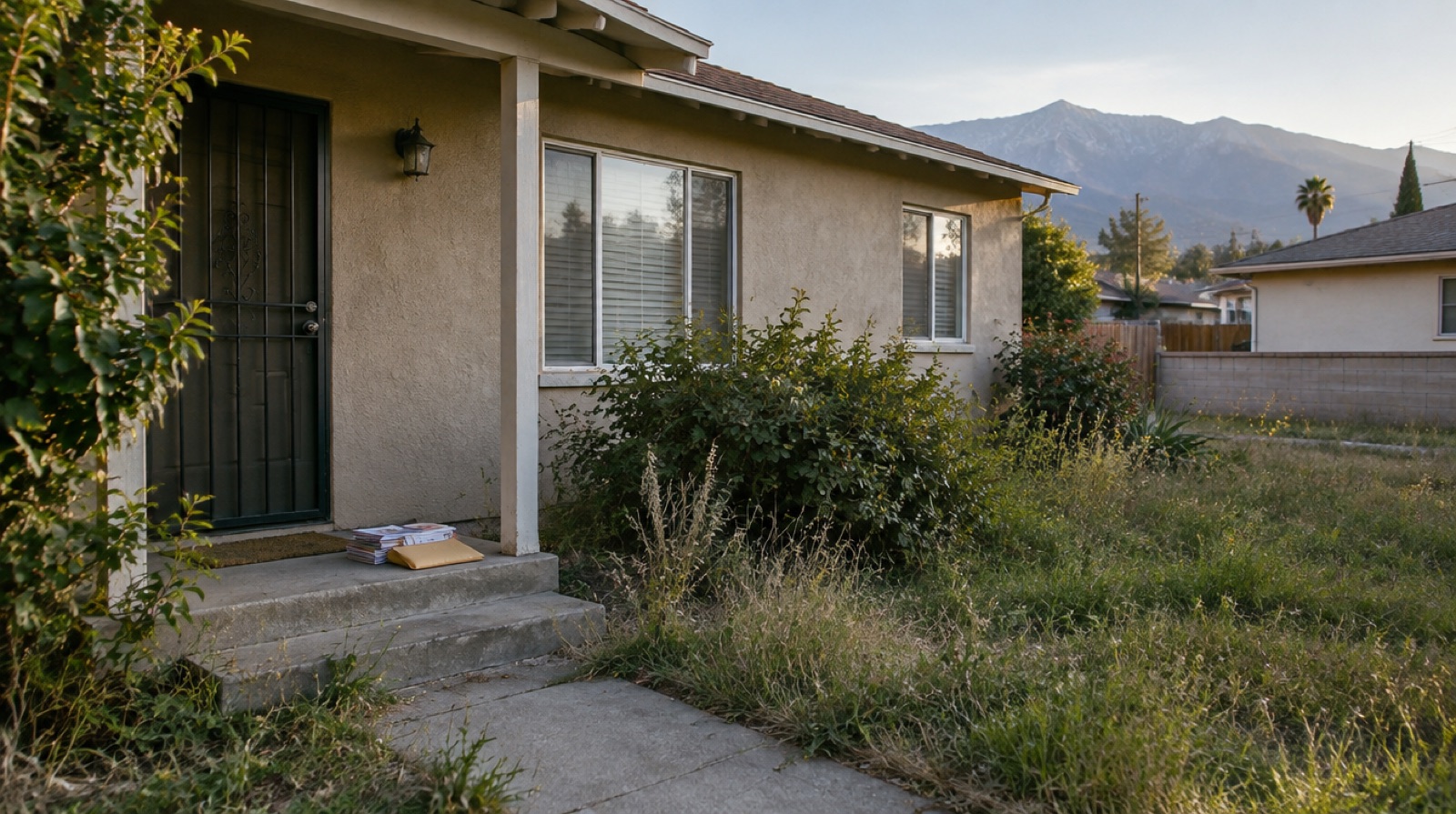
Glendora backs up to the San Gabriel Mountains, and fire risk is a real part of selling here. In March 2025 the city reported that CAL FIRE's new map puts 5,149 acres of Glendora in the Very High zone, about 27 percent of the city, plus 578 acres in High and 555 in Moderate. The City Council adopted that map with Ordinance No. 2094 in July 2025. If your home is in a Very High zone, state law asks the seller to give the buyer proof of a defensible space inspection, and buyers may have a harder time getting insurance. Check your address on the CAL FIRE map before you set a price.
- Look up your address on the CAL FIRE fire hazard zone viewer
- Ask the Planning Division if your home is in the historic district or is a landmark
- Find out if a Mills Act contract is recorded on the property
- Pull permit history for added rooms, patio covers or garage conversions
- Write down the age of the roof, water heater, panel and sewer line
- Collect leases, deposits and rent records for any tenants
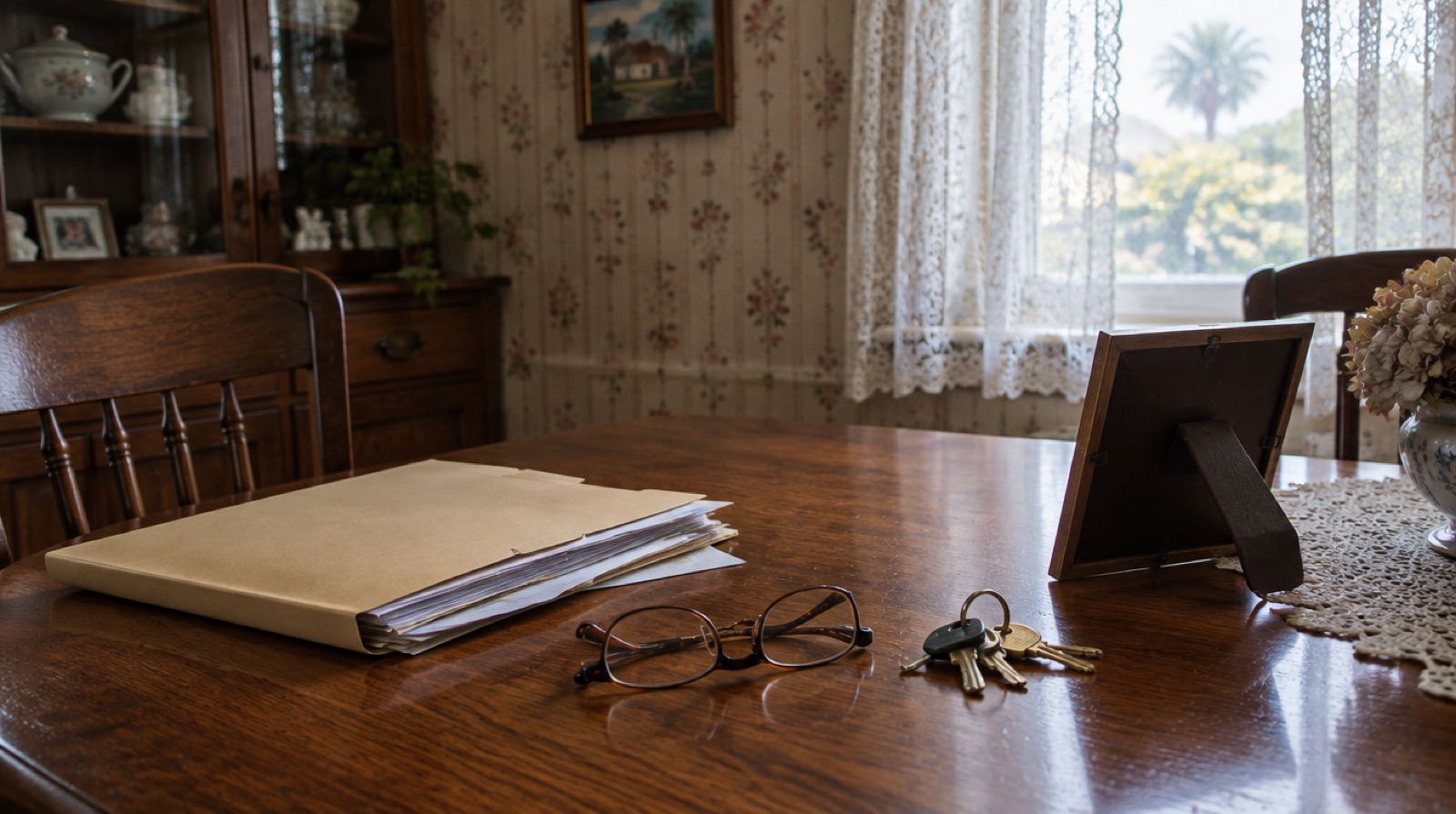
- Locate the will, trust or court letters if the home was inherited
Selling a Glendora Rental With Tenants
Glendora has no city rent control for houses or apartments. The one local rent rule the housing element lists is mobile home park rent stabilization. Most rentals fall under the state Tenant Protection Act, AB 1482, which caps yearly raises and requires a just cause to end many tenancies after a year. Selling does not cancel a lease. You can sell with the tenant in place, and the new owner steps into your shoes.
Transfer Tax, Probate and Recording
Glendora does not add its own transfer tax. The county recorder's list of cities with special rates does not include Glendora, so sellers pay the standard Los Angeles County rate of $1.10 per $1,000 of the price. Deeds are recorded with the Los Angeles County Registrar-Recorder. If the home is part of an estate, the case is filed with the Los Angeles Superior Court, which hears probate at the Stanley Mosk Courthouse downtown and at the Antelope Valley Courthouse in Lancaster, not at a local courthouse. Owners in Azusa, San Dimas and Covina use the same court.
Not legal or tax advice
This page is general information about selling a home in Glendora. It is not legal or tax advice. Please talk to a real estate attorney or tax professional about your own situation before you sell.