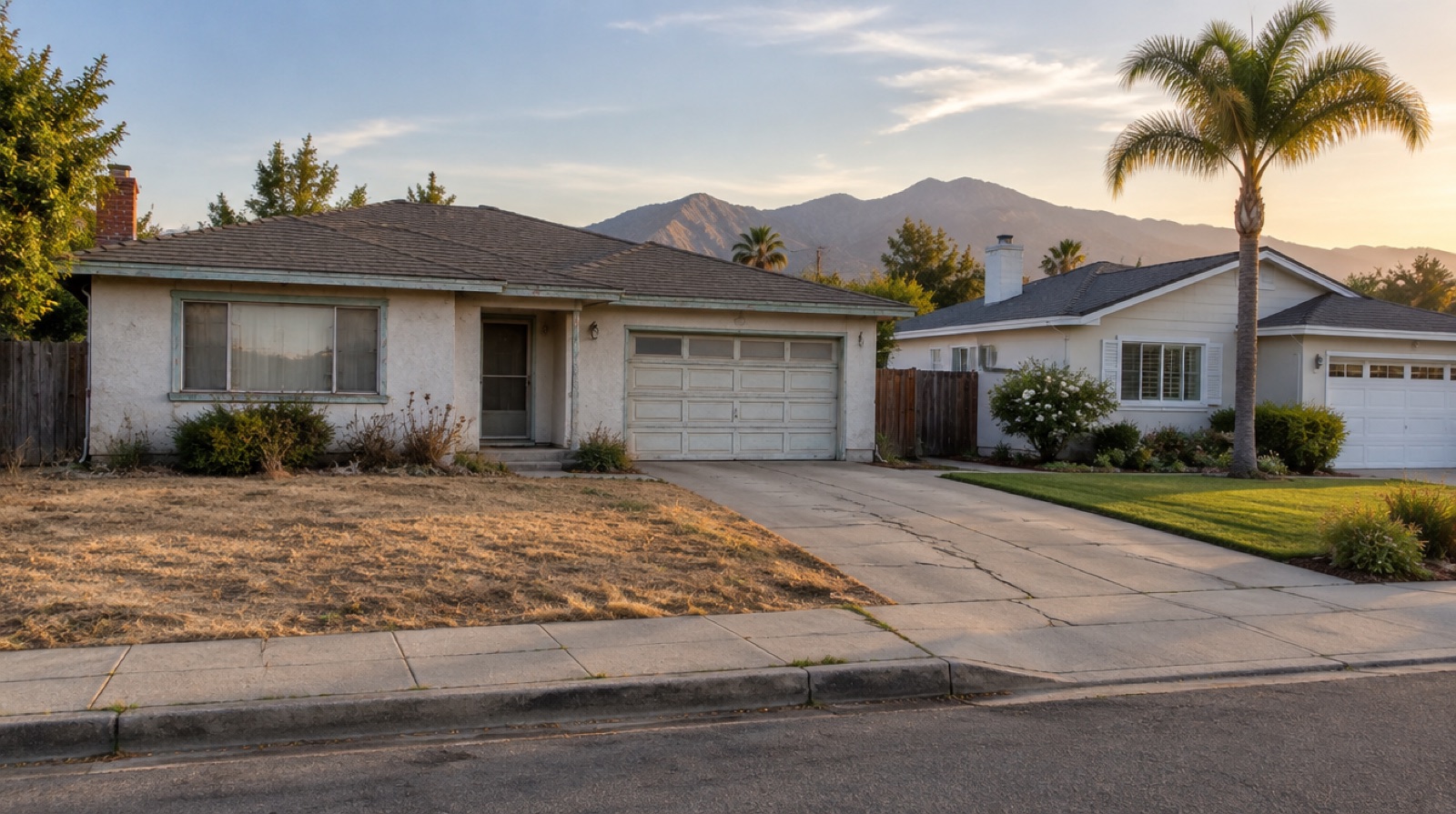
Who owns the house in a California divorce
California is a community property state. Under Family Code section 760, property a married person gets during the marriage while living in California is generally community property. That usually includes a home you bought together after the wedding, even if only one name is on the title.
It is not always that simple. The California Courts self-help guide explains that a house can be part community and part separate. For example, if one spouse used money from before the marriage for the down payment, and you both paid the mortgage with money earned while married, the equity can be a mix of both. Gifts and inheritances to one spouse are generally separate property. Until the court signs an order, the property from your marriage still belongs to both of you.
The court rules that apply before you sell
When a divorce case is filed in California, the summons (form FL-110) includes standard family law restraining orders. They apply to both spouses. One of them says neither of you can transfer, borrow against, hide or get rid of any property, community or separate, without the written consent of the other spouse or an order of the court. There are small exceptions for the usual course of business and the necessities of life, but selling the family home is not an everyday expense, so plan on needing consent or a court order.
In plain terms, you cannot quietly list and sell the house on your own once the case is open. In most cases both spouses need to agree in writing and sign the sale papers. If one spouse will not cooperate, the other can ask the judge for an order. Because the stakes are high, we strongly recommend that each of you talk to a family law attorney before you sign a listing agreement or a purchase contract.
Your three main options for the house
Most divorcing couples end up with one of these paths. None is right for everyone.
One spouse buys out the other. If one of you wants to stay, maybe so the kids can stay in their school in Rancho Cucamonga or West Covina, that spouse pays the other for their share of the equity. This usually means refinancing the loan into one name. It only works if the person staying can qualify for the new loan on their own income.
List with a real estate agent. If the house is in good shape and you both can work together for a few months, a traditional listing often brings the highest price. The tradeoff is time, showings, repairs, and agent commissions. You also have to keep agreeing on price, offers and repairs while you are going through a divorce.
Sell for cash. A cash sale to a buyer like NexOffer trades some price for speed and certainty. There are no repairs, no showings and no commissions, and you can close on a date that fits your case. This makes the most sense when you need a clean break, the house needs work, or you simply cannot agree on how to run a long listing together.
How a cash sale with NexOffer works during a divorce
NexOffer is a licensed local cash home buyer based in Pomona. We buy houses across Los Angeles, San Bernardino and Riverside counties, from older homes in Pomona to family homes in Riverside.
- Talk to a family law attorney first, and make sure both spouses agree in writing to sell.
- Request a cash offer. We send it within 24 hours, so you both see the same number at the same time.
- Share the offer with both attorneys before anyone signs.
- Both spouses sign the purchase contract. No repairs, no cleaning and no fees or commissions.
- Ask your attorney how escrow should pay out the money, either split per your agreement or held until the court decides.
- Pick a closing date that works for both of you. We can close in as little as 7 days.
Be aware that NexOffer may assign the purchase contract to another buyer in some cases, so we do not promise that every home is bought with our own cash. We will always tell you who is buying and keep the terms you agreed to.
When a cash sale is not the right fit
A cash offer is usually below what a fully fixed-up home could get on the open market. If your house is move-in ready, you are not in a rush, and you and your spouse can cooperate through showings and negotiations, listing with an agent may put more money in both of your pockets. If one of you wants to keep the home and can afford it, a buyout may be better than selling at all.
Cash makes sense when speed, privacy and a fixed closing date matter more than squeezing out the top price. Getting an offer is free and does not lock you in, so it can be a useful number to compare against a buyout or a listing. Call us at (833) 690-1353 to talk it through.
This is not legal advice
Divorce and property rules depend on your facts, and selling the wrong way can break a court order. Talk to a family law attorney before you list, sign a contract or split any sale money. For questions about taxes on the sale, talk to a tax professional.